








AG Mabhiza's 'No Referendum' Stance on Term Extensions Sparks Legal and Political Backlash
Attorney-General Virginia Mabhiza is facing sharp criticism from opposition and legal figures for dismissing calls for a referendum on constitutional amendments that would extend presidential and parliamentary terms, with opponents arguing her legal interpretation is flawed and...
AG Mabhiza's 'No Referendum' Stance on Term Extensions Sparks Legal and Political Backlash
Source: www.cite.org.zw
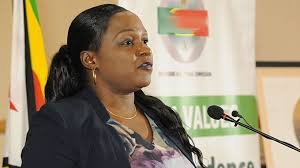
Attorney-General Virginia Mabhiza has ignited a fierce constitutional debate by firmly rejecting demands for a national referendum on the proposed Constitution of Zimbabwe Amendment Bill No. 3 (CA3). The bill's most contentious provision seeks to extend the terms of elected officials, including the President and Members of Parliament, from five to seven years. Mabhiza has framed the issue as a straightforward procedural matter, insisting that calls for a public vote are not grounded in law but are politically motivated.
Her legal argument hinges on Section 328(6) of the Constitution, which she says reserves a national referendum for only three narrowly defined categories of amendment: those affecting the Declaration of Rights, agricultural land, or Section 328 itself. According to the Attorney-General, in all other cases, once a Constitution Bill secures the required two-thirds majority in both Houses of Parliament, it must simply be forwarded to the President for assent. This interpretation has placed her at the center of a growing political storm.
The Movement for Democratic Change (MDC), led by Douglas Mwonzora, has launched a sharp rebuke against Mabhiza's position. The party's presidential spokesperson, Lloyd Damba, accused the Attorney-General of selectively interpreting the constitution to sidestep the profound political implications of the bill. Damba argued that the amendment, which was initially passed as a resolution at a Zanu PF political conference, is inherently political as it seeks to extend the tenure of current office bearers, including President Emmerson Mnangagwa, by two years. He contends the constitution was written precisely to guard against such unchecked political power, and thus 'everything must go back to the people' via a referendum.
Damba further challenged Mabhiza's characterization of opposition as 'premature,' noting the bill has already been gazetted and parliamentary consultations conducted. He alleged these consultations were dominated by ruling party supporters, creating an environment where dissenting voices faced intimidation, and thus the public's subsequent demand for a referendum is a legitimate response to a process they now understand. Beyond the political arena, legal experts have also questioned the Attorney-General's reading of the law. Bulawayo mayor and lawyer David Coltart described Mabhiza's opinion as flawed, arguing it ignores subsequent subsections of Section 328, specifically 328(7), (8), and (9), which he says make it clear a referendum is required if an amendment extends the term of an incumbent.
The controversy unfolds against a backdrop of what some civic groups are calling a broader constitutional crisis. The Constitution Defenders Forum (CDF) warned on the eve of the country's 46th Independence celebrations that Zimbabwe is facing a 'dire constitutional crisis.' The group's deputy spokesperson, Chiedza Mlingwa, cited the arrests of student activists Emmanuel Sitima and Takunda Mhuka as examples of a clampdown on dissent, while also noting the unsustainable cost of living and regionally uncompetitive fuel prices. This wider context of political and economic strain amplifies the significance of the debate over CA3, transforming a legal argument about constitutional procedure into a focal point for deeper national anxieties about governance, accountability, and the direct voice of the citizenry in fundamental change.
What's Your Reaction?
 Like
0
Like
0
 Dislike
0
Dislike
0
 Love
0
Love
0
 Funny
0
Funny
0
 Angry
0
Angry
0
 Sad
0
Sad
0
 Wow
0
Wow
0