







AU Commission Concludes Zimbabwe Visit, Urges Inclusive Constitutional Reform
A high-level African Union Commission delegation has concluded a four-day mission to Zimbabwe, recommending an inclusive approach to the ongoing constitutional amendment process. Justice Minister Ziyambi Ziyambi said the government would consider the delegation's suggestions...

AU Commission Concludes Zimbabwe Visit, Urges Inclusive Constitutional Reform
Source: www.zimbabwesituation.com
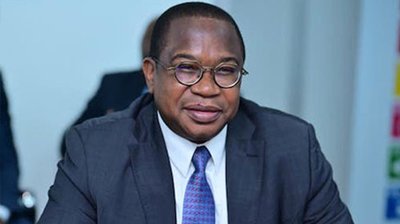
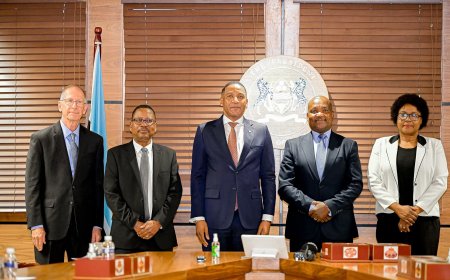
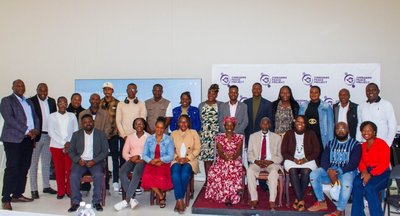
A high-level delegation from the African Union Commission on Human and Peoples’ Rights has concluded a four-day promotional mission to Zimbabwe, engaging with government ministries, independent commissions, and civil society organizations. The head of the delegation, Commissioner Janet Ramatoulie Sallah-Njie, emphasized that the outcomes of the proposed constitutional amendments must be determined by Zimbabweans themselves, respecting the nation's sovereign right. She stated that the AU Commission's role was to offer recommendations aligned with the AU's principles, particularly the integrated approach of leaving no one behind, a principle she noted Zimbabwe has championed under the Second Republic led by President Mnangagwa.
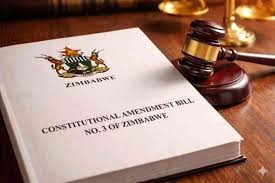
Commissioner Sallah-Njie explicitly recommended that the constitutional reform process be made as inclusive as possible, ensuring all stakeholders feel consulted and part of the process. This includes not only communities but also civil society organizations, traditional leaders, and religious leaders, as they collectively make up society. The recommendation for broad consultation arrives as the nation grapples with the proposed Constitutional Amendment Number Three Bill, which, according to reports from presenters supporting it, seeks to extend the terms of office for the President, Parliament, and Councillors.
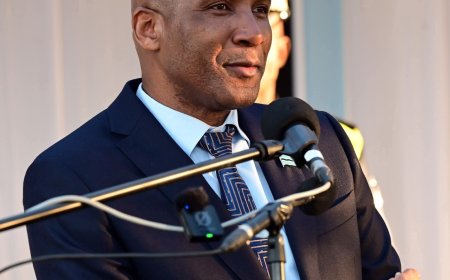
The government's response, delivered by Justice, Legal and Parliamentary Affairs Minister Ziyambi Ziyambi, was one of cautious openness. Minister Ziyambi praised the visit and acknowledged that the delegation made expressions it believed would enhance Zimbabwe's constitutional processes. He pledged that the government would look at the delegation's final report when drafted to identify areas for improvement, agreeing to consider some of the suggestions to see how they could improve the law-making process.
This call for inclusivity and dialogue from a continental body comes against a backdrop of significant turbulence in the ongoing public consultations. Reports indicate that the hearings on the Constitutional Amendment No. 3 Bill have been overshadowed by allegations of violence, intimidation, and even abductions. In a notable development, three constitutional advocacy organizations formally withdrew from the public hearings in Harare, signaling deep discontent with the process's environment.
The constitutional context itself adds another layer of complexity. The Zimbabwe Constitution contains a provision stating that any amendment to a term-limit provision to extend the length of time a person may hold a public office does not apply retroactively to any person who held that office before the amendment. This legal nuance is central to the debate surrounding the proposed changes. As the AU Commission departs, its central message underscores that a legitimate and durable constitutional reform process must be owned by the people through a genuinely inclusive and peaceful consultation, a standard now being watched both domestically and regionally.
What's Your Reaction?
 Like
0
Like
0
 Dislike
0
Dislike
0
 Love
0
Love
0
 Funny
0
Funny
0
 Angry
0
Angry
0
 Sad
0
Sad
0
 Wow
0
Wow
0