




Bulawayo Constitutional Hearing Erupts as Woman Ejected for Protest Attire
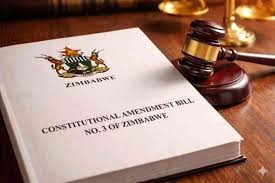
A public consultation on the Constitutional Amendment Bill (No. 3) in Bulawayo descended into chaos after a woman was forcibly removed for wearing anti-government regalia, with further concerns raised about the authenticity of the participation process. The incident at Nketa...
Bulawayo Constitutional Hearing Erupts as Woman Ejected for Protest Attire
Source: www.cite.org.zw
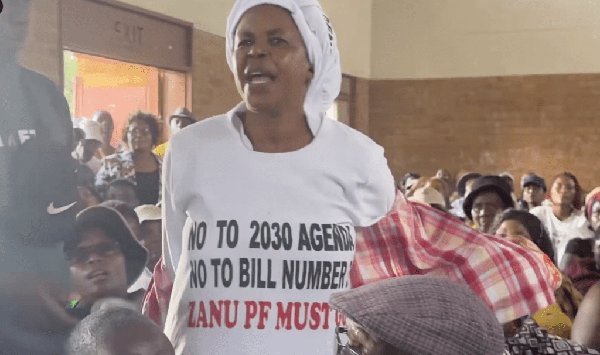
A public hearing on the contentious Constitution of Zimbabwe Amendment Bill (No. 3) was abruptly disrupted at Nketa Hall in Bulawayo after a participant was forcibly ejected for her clothing. The woman was stopped mid-submission by officials who objected to her T-shirt and head wrap, which bore the slogans “No to 2030 agenda, No to Bill Number 3, ZANU PF must go.” Before being interrupted, she had argued that the proposed amendments, widely believed to concern presidential term limits, were inconsistent with the 2013 Constitution, directly criticizing President Emmerson Mnangagwa's approach. A member of the presiding parliamentary team ruled she had breached hearing guidelines by wearing 'regalia' and ordered her removal, a decision that sparked commotion inside the hall.
The situation escalated dangerously once she was outside. According to reports, a group of attendees followed her out of Nketa Hall and chased her, forcing the woman to flee for her safety into a nearby bushy area. Proceedings were brought to a close shortly after this unsettling episode, casting a pall over the entire consultation exercise. This incident follows another similarly brief hearing held at the Large City Hall in Bulawayo, which started at 10am and lasted only one hour and twenty-eight minutes, raising questions about the depth of engagement permitted on a bill containing 22 significant clauses.
Beyond the confrontation, serious doubts have been raised about the legitimacy of the public participation process itself. After the Nketa Hall hearing, observers noted buses transporting attendees away from the venue, including some labelled for destinations like Gokwe and the Bulawayo–Gweru route, which prompted questions about how participants were mobilized and whether they represented genuine local voices. Attendees reported that some people, including women struggling to stay awake while caring for young children, appeared disengaged, and the early conclusion of sessions limited opportunities for others who wished to contribute.
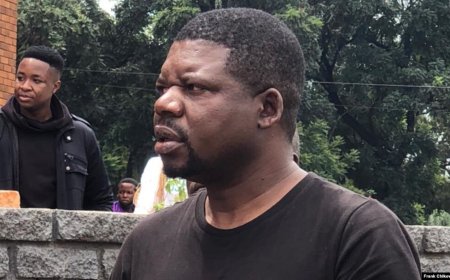
One participant, who gave his name as Nkomo, characterized the process as staged and exclusionary, alleging that some individuals were prioritized over others. He insisted that, according to the constitution, such a fundamental amendment should first be put to a national referendum. “Bill Number 3 is not working for us as Zimbabweans... This is flawed,” Nkomo said, expressing a desire for a free vote where a 'no' outcome would be respected. These concerns about procedural fairness echo wider official statements on legality, such as Home Affairs Minister Kazembe Kazembe's recent emphasis in Parliament on the strict seven-day notice requirements for public gatherings.
The proposed amendment and the manner of its consultation are unfolding against a complex national backdrop. In unrelated but concurrent developments, Finance Minister Mthuli Ncube told Parliament that possessing large sums of money is not a crime, while the government also launched a National Artificial Intelligence strategy set to run from 2026 to 2030—a timeframe referenced in the ejected woman's protest regalia. The convergence of these events highlights the multifaceted pressures on Zimbabwe's governance framework and the charged atmosphere surrounding any attempt to alter the nation's foundational law.
What's Your Reaction?
 Like
0
Like
0
 Dislike
0
Dislike
0
 Love
0
Love
0
 Funny
0
Funny
0
 Angry
0
Angry
0
 Sad
0
Sad
0
 Wow
0
Wow
0