






Government Official Criticizes BBC Report on Proposed Constitutional Changes
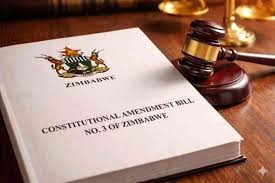
Presidential Communications Deputy Chief Secretary George Charamba has challenged a BBC report on Zimbabwe's Constitutional Amendment No. 3 Bill, calling it unbalanced for its focus on opposition voices and its characterization of the reforms as a 'power grab'.

Government Official Criticizes BBC Report on Proposed Constitutional Changes
Source: www.zimbabwesituation.com
A senior government official has publicly questioned the framing of a BBC report on Zimbabwe's proposed constitutional amendments. Mr George Charamba, the Deputy Chief Secretary in the Office of the President and Cabinet for Presidential Communications, took issue with a story by the British broadcaster that described the Constitutional Amendment No. 3 Bill initiative as a 'power grab'. The BBC report, according to Charamba, insinuated that the ruling Zanu PF party was attempting to consolidate power through changes that would allow Parliament to elect the President and extend the presidential term from five to seven years.
Charamba's critique, posted on his X social media account, centered on the report's sourcing and its implied criticism of the parliamentary model. He pointedly asked how the British Prime Minister assumes office, noting that the UK system also involves parliamentarians selecting the head of government, not direct universal suffrage. The proposed Zimbabwean reforms, which seek to abolish direct presidential elections and shift the responsibility of electing the Head of State to Parliament, mirror this practice found in several other jurisdictions, including the United Kingdom.
The government's objection extends to the composition of voices featured in the BBC's coverage. The story gave prominence to three opposition political activists: Advocate Fadzayi Mahere, Mr Tendai Biti, and Professor Lovemore Madhuku. In contrast, from Zanu PF, the report only sought comment from the party's Treasurer, Cde Patrick Chinamasa. This selective sourcing, according to the official perspective presented, drowned out voices supporting the constitutional changes and created an unbalanced narrative.
At the heart of the proposed reform is a fundamental shift in how Zimbabwe's president would be chosen. The amendment seeks to move away from the current system of direct popular vote, placing that authority instead with the country's parliament. This model, where the leader of the party commanding a majority in the legislature becomes the head of government, is standard in Westminster-style systems like Britain's, where the monarch invites the leader of the largest party to form a government after a general election.
The public dispute highlights the sensitive and consequential nature of the proposed constitutional changes for Zimbabwe's political future. While the government defends the move as aligning with established international practices, the characterization of it as a 'power grab' by external media and domestic opposition underscores the deep political divisions surrounding the amendment. The outcome of this legislative process will fundamentally reshape the relationship between Zimbabwe's electorate and its highest office.
What's Your Reaction?
 Like
0
Like
0
 Dislike
0
Dislike
0
 Love
0
Love
0
 Funny
0
Funny
0
 Angry
0
Angry
0
 Sad
0
Sad
0
 Wow
0
Wow
0