






Nationwide Hearings on Term Extension Bill Spark Division and Scrutiny
Zimbabwe's parliament is conducting a four-day nationwide consultation on a constitutional amendment that would extend presidential and parliamentary terms to seven years, a move that could keep President Mnangagwa in office until 2030. The process has drawn both support for its...

Nationwide Hearings on Term Extension Bill Spark Division and Scrutiny
Source: www.zimbabwesituation.com
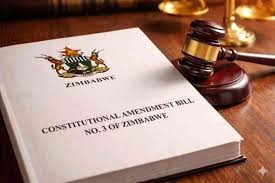
Zimbabwe's parliament has launched a crucial series of nationwide public hearings on a proposed constitutional amendment that could reshape the country's political landscape. The hearings on the Constitution of Zimbabwe (Amendment No. 3) Bill, 2026, began on March 30 and are scheduled to run until April 2, with parliament deploying 11 teams to cover all 64 districts. This intense consultation period is part of a broader 90-day process that commenced on February 17, aiming to gather public input on sweeping electoral reforms.
At the heart of the proposed changes is a move to extend both presidential and parliamentary terms from five to seven years. If enacted, this would delay the next general election from 2028 to 2030, potentially allowing President Emmerson Mnangagwa to remain in office until that date. The ruling ZANU-PF party is strongly advocating for the bill's passage, framing it as a measure for stability and fiscal prudence.
Support for the bill was evident at a hearing in Chitungwiza, a traditional opposition stronghold, where most speakers voiced approval. Medical doctor Shylock Muyengwa argued that the proposed reforms, particularly changes to the Zimbabwe Electoral Commission and the registrar, would save the state approximately $15 million. He suggested the seven-year transition could save up to 36% of potential resources, amounting to roughly $20 million annually.
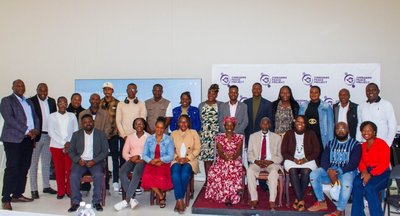
However, the process has been met with significant skepticism and allegations of irregularity. The Election Resource Centre Africa (ERC) has flagged concerns over fairness and transparency, reporting that participation and submissions in certain hearings appeared to be largely controlled at the discretion of presiding officials. Critics, including opposition parties and civic organizations, argue the compressed four-day schedule limits genuine public participation and fear the changes could entrench one-party dominance.
The proposed shift from a directly elected president to one chosen by parliament has emerged as a particularly contentious point, with opponents warning it weakens democratic accountability. These debates are unfolding against a backdrop of high public expectations for democratic progress following the 2017 transition, making the outcome of these hearings a critical test for Zimbabwe's constitutional governance.
What's Your Reaction?
 Like
0
Like
0
 Dislike
0
Dislike
0
 Love
0
Love
0
 Funny
0
Funny
0
 Angry
0
Angry
0
 Sad
0
Sad
0
 Wow
0
Wow
0