










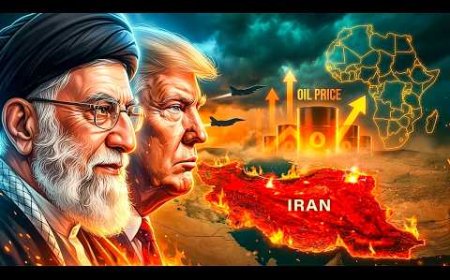

OIL PRICE SURGE IN AFRICA: Not Just a Fuel Crisis — A Brutal Test of Economic Resilience
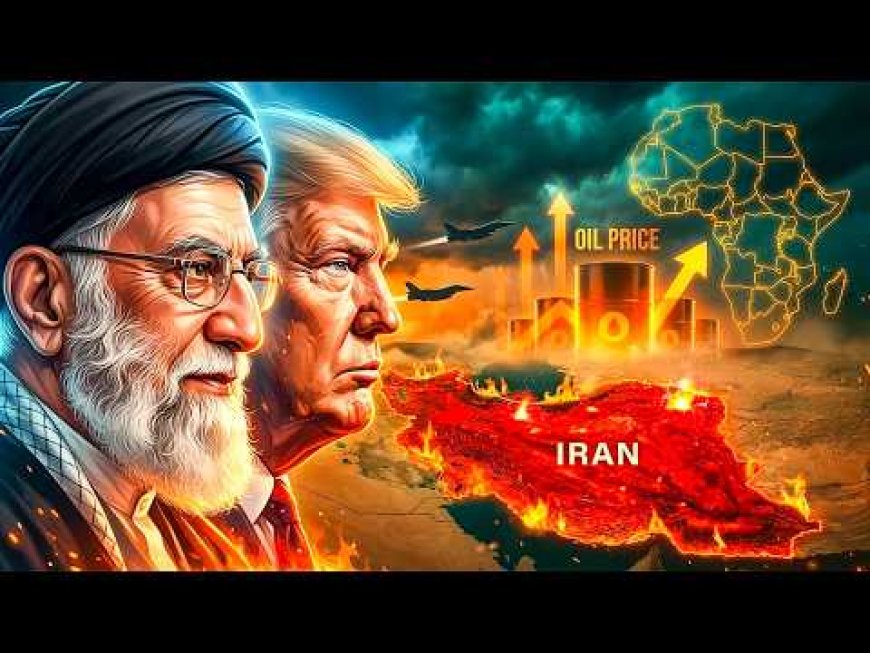
The ongoing global oil shock triggered by the Iran conflict is rapidly evolving into a defining economic test for African nations, exposing deep structural weaknesses and stark differences in how governments respond under pressure. Across Southern Africa, the surge in oil prices has forced governments into contrasting crisis strategies, revealing which economies can absorb shocks — and which are immediately pushed to the edge. In Zimbabwe, authorities have moved swiftly to increase fuel prices multiple times, passing the full weight of global cost increases directly onto consumers. The response reflects limited fiscal space, weak reserves, and heavy dependence on imports — leaving little room to cushion the blow. By contrast, South Africa has adopted a more measured approach, maintaining supply stability while preparing for gradual price adjustments. Backed by relatively stronger infrastructure and procurement systems, Pretoria is attempting to delay the full impact of the crisis. In Namibia, the government has focused on calming public fears, insisting fuel supplies remain adequate despite rising global uncertainty. Meanwhile, Botswana has relied on its stronger fiscal position to temporarily shield citizens from immediate shocks, holding off aggressive price hikes. However, in Zambia, authorities are walking a fine line — managing supply and messaging carefully while facing mounting pressure from currency instability and rising import costs. Despite these different approaches, the underlying reality is the same: Africa remains highly vulnerable to external energy shocks. With most countries relying heavily on imported fuel and lacking sufficient refining capacity, disruptions in global supply chains — particularly through critical routes like the Strait of Hormuz — are being felt almost immediately across economies. The impact extends far beyond the pump. Rising fuel costs are already driving up transport fares, good prices, production costs and inflation across key sectors. In conclusion this moment is exposing more than supply chain weaknesses — it is testing economic resilience, governance capacity, and crisis management. Countries with buffers are buying time Fragile economies are absorbing shocks instantly But if global tensions persist, the gap will narrow — and even the most stable systems will come under strain. The price surge is no longer just about geopolitics or energy markets. It is a stress test for Africa’s economies — and the results are already showing.

What's Your Reaction?
 Like
0
Like
0
 Dislike
0
Dislike
0
 Love
0
Love
0
 Funny
0
Funny
0
 Angry
0
Angry
0
 Sad
0
Sad
0
 Wow
0
Wow
0