







Zimbabwe’s Constitutional Amendment Hearings Criticized as Insufficient and Exclusionary Amid Calls for Referendum
Public hearings on Zimbabwe’s Constitutional Amendment (No. 3) Bill have drawn sharp criticism for their limited scope and alleged manipulation, prompting calls from retired generals and war veterans for a national referendum to decide the proposed changes.
Zimbabwe’s Constitutional Amendment Hearings Criticized as Insufficient and Exclusionary Amid Calls for Referendum
Source: www.zimbabwesituation.com
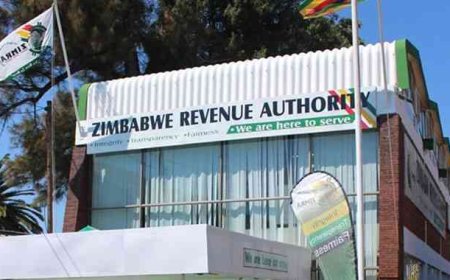
The Parliament of Zimbabwe recently announced a four-day window, from March 30 to April 2, for public hearings on the Constitutional Amendment (No. 3) Bill. This bill proposes significant changes, including altering the presidential election process and extending the presidential term from five to seven years. However, the brief duration and limited venues for these hearings have sparked widespread condemnation, with critics arguing that the process is designed to exclude rather than genuinely consult Zimbabweans.
According to social justice advocate Tendai Ruben Mbofana, the four-day timeframe is inadequate for meaningful nationwide participation, especially given Zimbabwe’s geographic and logistical challenges. Mbofana recalls the 2000 constitutional public hearings, which were held in numerous local venues accessible to most citizens, contrasting sharply with the current arrangement where only a handful of venues serve entire provinces like the Midlands. This, he argues, effectively restricts access and undermines the democratic principle of broad public engagement.
Further concerns have been raised about the conduct of these hearings. Reports suggest that government supporters are bused in to dominate discussions, often receiving incentives such as food and stipends, while dissenting voices face intimidation, verbal abuse, and even physical threats. Prominent opposition figures and constitutional experts, including Professor Lovemore Madhuku and Tendai Biti, have reportedly been attacked or had their meetings disrupted. Legal actions have even been initiated to bar these activists from campaigning against the amendments, with some campaigns being labeled as “terrorism.”
This atmosphere of intimidation has led many to view the hearings as a staged exercise aimed at manufacturing consent rather than fostering genuine debate. Mbofana describes the process as a “constitutional coup” disguised as consultation, warning that ordinary citizens, especially those in rural areas, may feel too threatened to participate or express opposition.
Adding to the opposition, a group of retired generals and senior civil servants publicly warned that any constitutional amendments of such magnitude should be decided through a national referendum. Their stance has been supported by a faction of the Zimbabwe National Liberation War Veterans Association (ZNLWVA), which emphasized that majority rule, universal suffrage, and popular sovereignty are foundational principles enshrined in Zimbabwe’s 2013 constitution, itself adopted by referendum. The ZNLWVA faction insists that fundamental changes to democratic governance require broad consultations and, where necessary, a referendum to uphold these principles.
Meanwhile, the government has been focusing on other national priorities, such as infrastructure development. Ahead of Zimbabwe’s 46th Independence Day celebrations in July 2026, an inter-ministerial delegation led by Transport and Infrastructural Development Minister Felix Mhona toured Matabeleland South to assess progress on key road rehabilitation projects. These include the Bulawayo–Kezi–Maphisa and Gwanda–Maphisa corridors, vital routes for the movement of agricultural produce, livestock, and mining outputs, underscoring the government’s commitment to improving regional connectivity.
In summary, the current constitutional amendment public hearings have been widely criticized as insufficient and exclusionary, with calls growing louder for a transparent referendum to allow Zimbabweans to decide their country’s constitutional future. The opposition from respected retired military figures and liberation war veterans highlights the deep unease about the process and the proposed changes, signaling a contentious road ahead for Zimbabwe’s constitutional democracy.
What's Your Reaction?
 Like
0
Like
0
 Dislike
0
Dislike
0
 Love
0
Love
0
 Funny
0
Funny
0
 Angry
0
Angry
0
 Sad
0
Sad
0
 Wow
0
Wow
0