







Zimbabwe's Proposed Constitutional Amendment Sparks Fierce Debate and Diaspora Protests
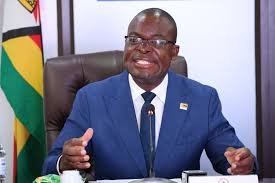
A proposed constitutional amendment seeking to extend President Mnangagwa's term and alter the presidential election system has ignited fierce domestic debate and protests from the diaspora in London, with critics accusing the government of manipulating the process to avoid a...
Zimbabwe's Proposed Constitutional Amendment Sparks Fierce Debate and Diaspora Protests
Source: www.zimbabwesituation.com
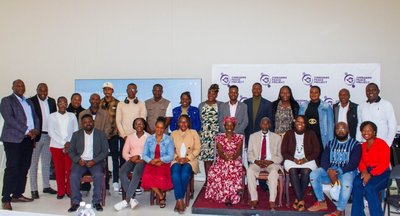
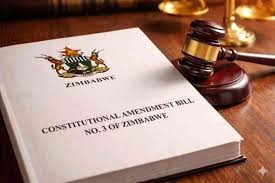
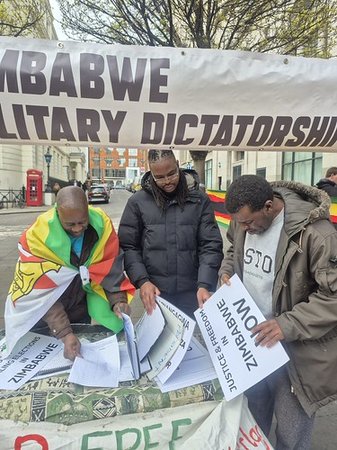
On a Saturday in early April 2026, a small group of activists gathered outside the Zimbabwe Embassy in London, continuing a long-standing vigil against what they describe as human rights abuses and a lack of democracy under the ZANU PF regime. Among those present were Blessing Harry, Musa Maphosa, Philip Maponga, Patricia Masamba, and Tatenda Tsumba, their protest fueled by unfolding events back home centered on a contentious piece of legislation. The focus of their concern is the proposed Constitutional Amendment No. 3 Bill, 2026, a legislative move that seeks to fundamentally reshape Zimbabwe's political landscape.
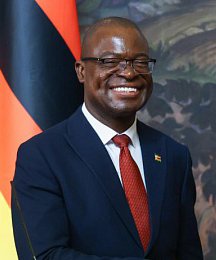
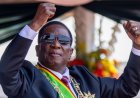
The core provisions of the amendment, according to reports, include a push for a two-year extension to President Emmerson Mnangagwa's term and a pivotal shift from the direct election of the president to an election by parliament. Proponents of the bill, including figures such as Justice Minister Ziyambi Ziyambi, Paul Mangwana, Professor Jonathan Moyo, and Temba Mliswa, argue it is necessary for continuity. However, this has sparked a significant legal and political dispute over whether such profound changes can be enacted without a mandatory national referendum, a step the government is reportedly keen to avoid by pushing it through a ZANU PF-dominated parliament.
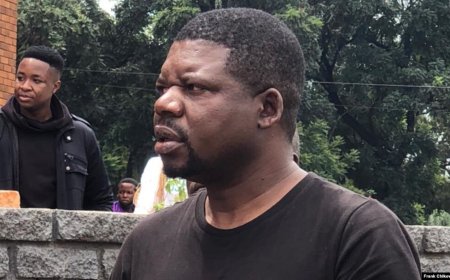
Opposition to the amendment is vocal and includes notable legal and political minds like Professor Justice Mavedzenge, Douglas Mwonzora, Tendai Biti, Professor Lovemore Madhuku, and Jameson Timba. The divisiveness was on public display during a hearing for the bill at the Large City Hall in Bulawayo on March 30, 2026. Critics accuse the government of manipulating constitutional provisions to justify extending Mnangagwa's rule, framing the entire consultation process as tightly controlled, where divergent views are suppressed.
The controversy unfolds against a backdrop of other national initiatives, such as the recent launch of Zimbabwe's National AI strategy for 2026-2030. Yet, the political manoeuvring around the constitutional amendment casts a long shadow, raising fundamental questions about democratic processes and term limits. For the activists in London and their partners on the ground, the amendment represents not just a policy shift but a foundational change that could entrench power and diminish direct public sovereignty, making it a focal point for ongoing resistance both inside and outside the country's borders.
What's Your Reaction?
 Like
0
Like
0
 Dislike
0
Dislike
0
 Love
0
Love
0
 Funny
0
Funny
0
 Angry
0
Angry
0
 Sad
0
Sad
0
 Wow
0
Wow
0