





Journalists Under Siege: Violence Spills Over at Constitutional Hearings
The incidents highlight a growing pattern of violence, suppression, and shrinking civic space, as critics warn the process may be driven by coercion rather than genuine public participation.

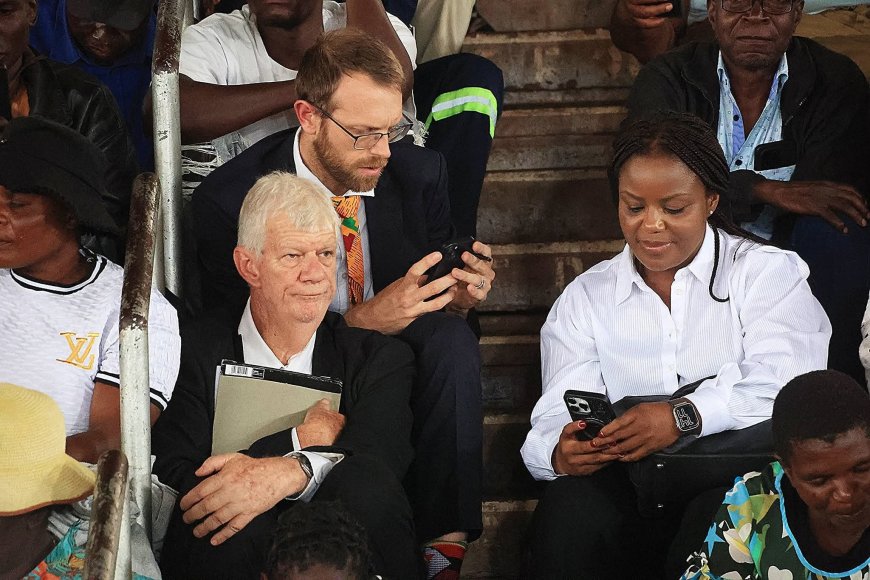
HARARE — Zimbabwe’s constitutional reform process is increasingly being overshadowed by violence and intimidation, with journalists and activists now emerging as direct targets of alleged politically motivated attacks.
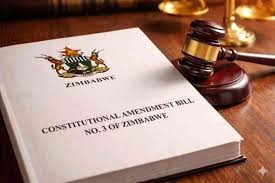
This follows a disturbing incident in Harare where journalists covering public hearings on the proposed Constitutional Amendment Bill No. 3 (CAB3) were reportedly forced to surrender or delete recorded footage by suspected ruling party supporters.
The chaos, which unfolded at a public hearing, has heightened fears over the shrinking democratic space and the erosion of press freedom in Zimbabwe.
In a related incident that underscores the growing volatility, prominent human rights lawyer Douglas Coltart was allegedly attacked by suspected ZANU-PF supporters while attempting to leave a hearing at the City Sports Centre.
Sources indicate that Coltart was assaulted during the chaos, with his mobile phone and eyeglasses forcibly taken. The alleged perpetrator is said to be a known ruling party supporter and a member of the party’s central committee, raising serious concerns about political accountability and impunity.
The attack has drawn condemnation from legal and civil society circles, who view it as a direct assault on both human rights defenders and the rule of law.
Meanwhile, in Bulawayo, the situation took an even darker turn.
An activist campaigning against the constitutional amendment bill was reportedly abducted shortly after participating in public hearings. Details surrounding the incident remain unclear, but the development has intensified fears of targeted reprisals against dissenting voices.
These incidents form part of a broader pattern emerging across the country, where the constitutional outreach programme has been marred by violent disruptions of hearings, intimidation of journalists and citizens, suppression of opposing views allegations of organised partisan interference.
At the centre of the controversy is CAB3, a proposal critics argue could extend President Emmerson Mnangagwa’s tenure and alter Zimbabwe’s electoral framework.
The forced deletion of journalistic material, coupled with attacks on legal practitioners and activists, signals what observers describe as a dangerous turning point.
Media experts warn that when journalists are silenced and civic actors are attacked, the credibility of any public consultation process is fundamentally compromised.
“This is no longer just about a bill — it is about whether Zimbabweans can freely participate in shaping their Constitution,” a media rights advocate noted.
Civil society organisations are now calling for the immediate investigations into the attacks,protection of journalists, lawyers, and activists, assurance of neutrality and safety at public hearings. However, the absence of a strong official response has raised concerns about state inaction and possible complicity.
As Zimbabwe navigates this critical constitutional moment, the events in Harare and Bulawayo paint a troubling picture — one where violence, fear, and coercion risk defining a process meant to reflect the will of the people.
For journalists, lawyers, and activists alike, the message is becoming increasingly clear: speaking out is no longer just an act of courage it is a growing risk.
What's Your Reaction?
 Like
0
Like
0
 Dislike
0
Dislike
0
 Love
0
Love
0
 Funny
0
Funny
0
 Angry
0
Angry
0
 Sad
0
Sad
0
 Wow
0
Wow
0